Recognizing Heatstroke in Pets: Urgent Signs Corpus Christi Owners Must Know

Recognizing Heatstroke in Pets: Urgent Signs Corpus Christi Owners Must Know
As the intense Texas sun takes hold in May and temperatures climb across Corpus Christi and surrounding communities, pet owners face a real and urgent concern: the risk of heatstroke in dogs and cats. Even a quick walk outside or an afternoon in the backyard can put your pet’s health in jeopardy when the heat index soars. At South Texas Veterinary Urgent Care, located at 4133 Gollihar Road, Corpus Christi, TX 78411, our team of veterinarians sees firsthand how quickly heatstroke can become a life-threatening emergency. That’s why we offer immediate access to urgent care—walk-ins are always welcome, and no appointment is needed, especially when your regular veterinarian is unavailable.
In this guide, you’ll learn how to recognize the early and advanced signs of heatstroke in pets, understand why it happens so often in our South Texas climate, and know exactly what to do if your pet starts to overheat. We’ll also explain how our veterinary professionals manage heatstroke cases, what steps you can take to prevent it at home, and when it’s critical to seek emergency veterinary care for your dog or cat. By the end, you’ll feel more confident keeping your furry friend safe through the hottest months of the year.
Spotting the Signs: How to Recognize Heatstroke in Your Pet
Heatstroke is a true emergency for pets, and catching it early can mean the difference between a full recovery and a tragic outcome. Dogs and cats cannot cool down as efficiently as humans, so they are especially vulnerable during the spring and summer months in Corpus Christi.
Early signs of heatstroke can be subtle at first. You may notice that your dog is panting harder than usual, seeking shade, or showing less interest in play. Cats may become restless, drool excessively, or hide. As heatstroke progresses, symptoms become more severe. Key warning signs to watch for include rapid or excessive panting, drooling, bright red or pale gums, vomiting, diarrhea, lethargy, confusion, weakness, and collapse. In some cases, pets may develop seizures or lose consciousness if their body temperature continues to rise unchecked.
It’s important to remember that some pets are at higher risk than others. Dogs with short snouts (like Bulldogs, Pugs, and Boxers), older animals, overweight pets, and those with underlying health issues are especially vulnerable to overheating. Even healthy, active dogs can develop heatstroke if left outside too long or exercised during the hottest part of the day.
Understanding Why Heatstroke Happens in Corpus Christi
The combination of high temperatures and humidity in South Texas creates a perfect storm for heat-related illness in pets. Unlike humans, dogs and cats do not sweat over most of their bodies. They primarily rely on panting and a small amount of sweating through their paw pads to release excess heat. In humid conditions, panting becomes much less efficient, and body temperatures can rise dangerously fast.
Common situations leading to heatstroke in pets include being left in a parked car, even for a few minutes; outdoor exercise during peak heat; lack of shade or fresh water in the yard; and confinement in poorly ventilated spaces like garages or sheds. Asphalt, concrete, and sand can also get extremely hot, increasing the risk of paw pad burns and overall body heat gain during walks.
It’s not just midday heat that poses a threat—mornings and evenings can remain stiflingly hot during the Corpus Christi summer, especially for pets with thick coats or underlying respiratory issues. Understanding these risk factors can help you make safer choices for your pet as temperatures rise.
How the Veterinary Team Treats Heatstroke Emergencies
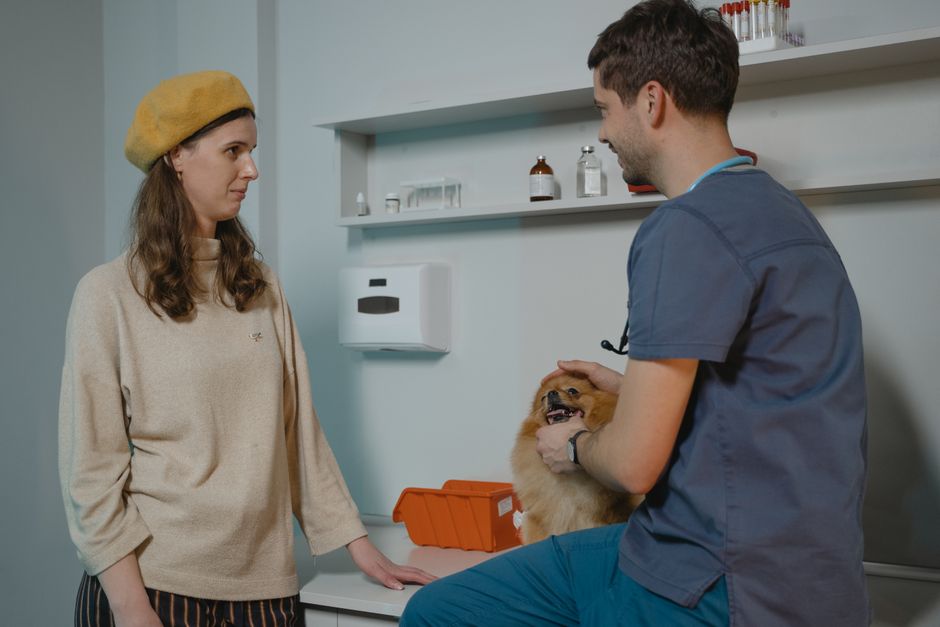
If your pet shows any signs of heatstroke, immediate action is crucial. At South Texas Veterinary Urgent Care, our veterinary team is equipped to handle these emergencies as soon as you walk through the door—no appointment needed.
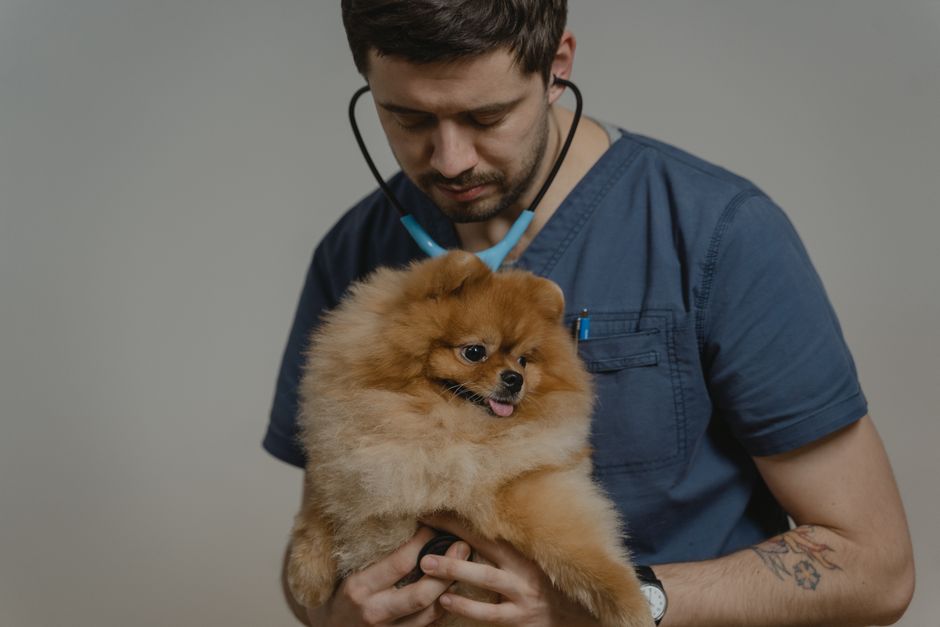
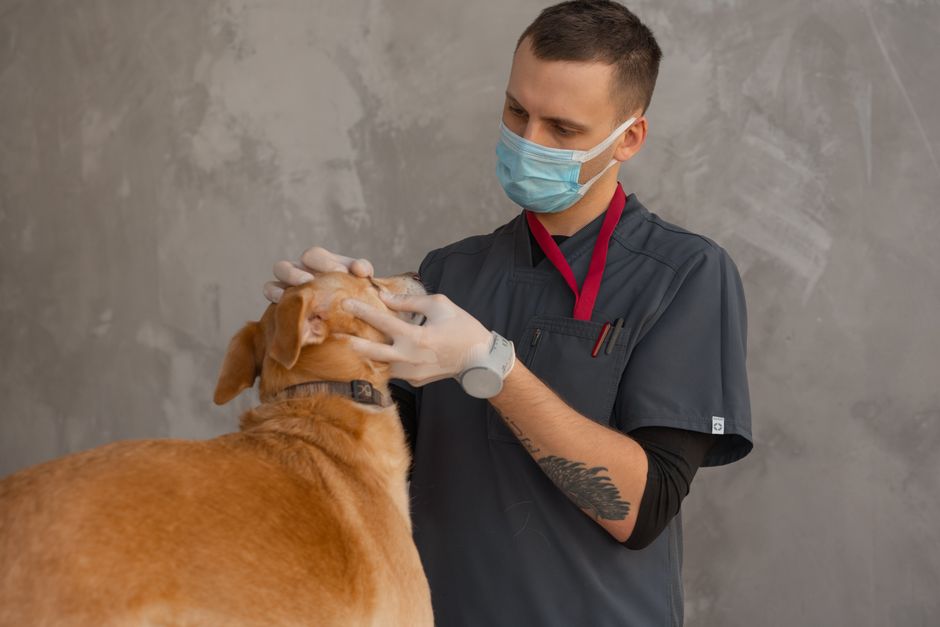
Upon arrival, our team will assess your pet’s temperature, heart rate, and respiratory status. Treatment for heatstroke typically involves rapid cooling with cool (not icy) water, intravenous fluids to address dehydration and support organ function, oxygen therapy if breathing is labored, and medications to control complications such as shock, seizures, or gastrointestinal distress. Blood tests may be performed to monitor organ function, as heatstroke can cause damage to the kidneys, liver, and other vital systems.
Throughout the process, your pet will be closely monitored for changes in condition. Some pets require hospitalization for ongoing supportive care, especially if organ dysfunction has developed. The goal is always to stabilize your pet, bring their body temperature down to a safe range, and prevent lasting damage.
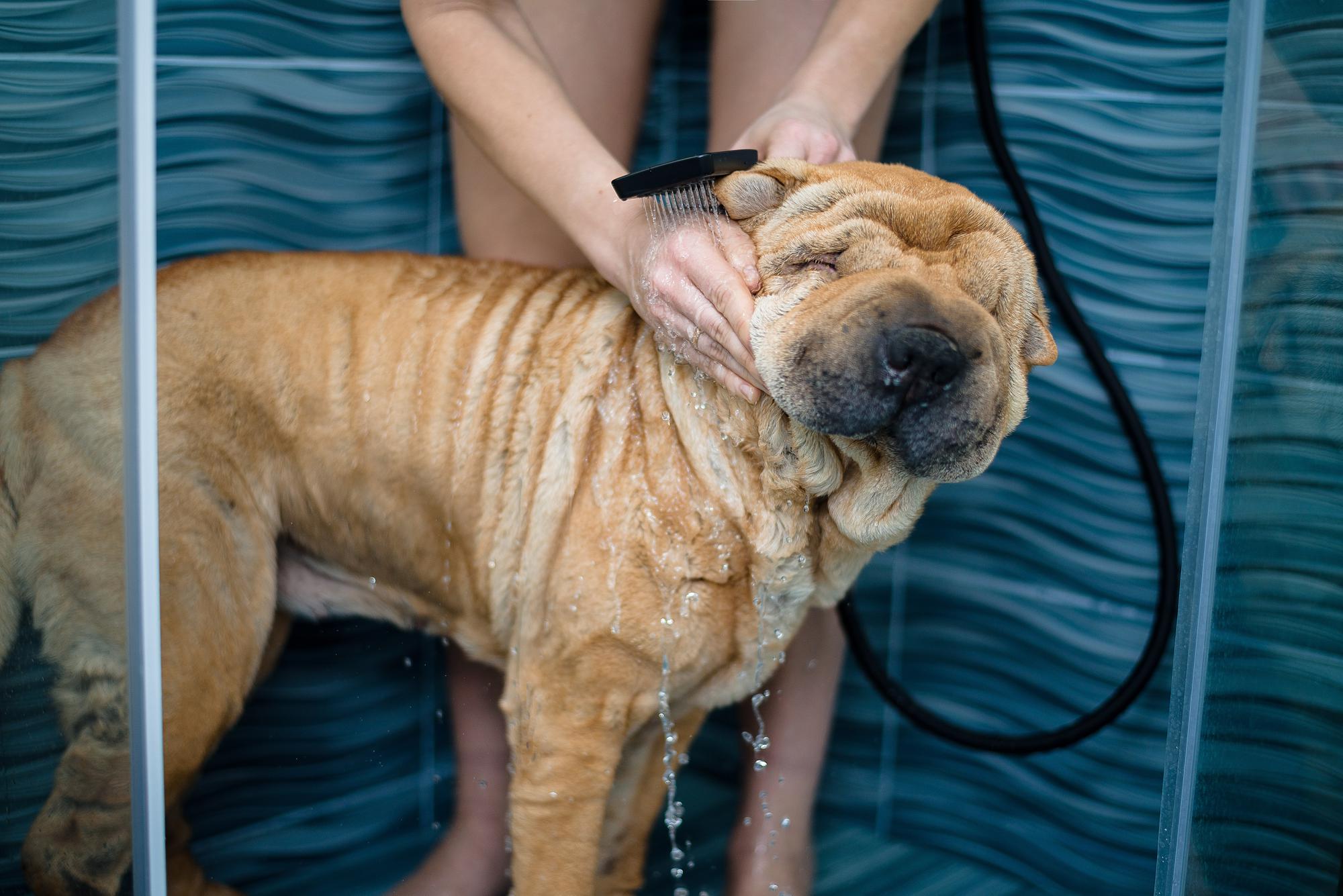
If you suspect your pet is experiencing heatstroke, start cooling them with room-temperature water and bring them to the urgent care team at South Texas Veterinary Urgent Care right away. Do not delay—every minute counts.
Preventing Heatstroke: Steps You Can Take at Home
While Corpus Christi’s climate poses unique challenges, there are several effective ways you can protect your pet from heatstroke during the warmer months. Always provide fresh, cool water and shade when your dog or cat is outdoors. Plan walks and playtime for early mornings or late evenings when temperatures are lower, and avoid strenuous activity during the midday heat.
Never leave pets unattended in vehicles, even for a short period, as temperatures inside a car can become deadly within minutes. For dogs with heavy coats or short snouts, be extra cautious—consider trimming coats (not shaving), and monitor closely for any signs of overheating. For cats, ensure they always have access to cool indoor spaces and encourage them to stay hydrated.
If your pet loves spending time outdoors, consider setting up a kiddie pool or misting system, and always supervise them during hot weather. Watch for early warning signs of heat stress, such as heavy panting or drooling, and bring them inside at the first hint of discomfort. By taking these proactive measures, you can dramatically reduce the risk of heatstroke.
When to Seek Urgent Veterinary Care for Heatstroke
Knowing when to act is essential. If your pet begins to show symptoms of heatstroke—such as rapid panting, drooling, vomiting, weakness, or collapse—do not wait to see if they improve on their own. Begin gentle cooling with room-temperature water (never ice or ice-cold water, as this can constrict blood vessels and delay cooling), encourage your pet to drink water if they are alert, and transport them immediately to the closest urgent care facility.
At South Texas Veterinary Urgent Care, our team is available for walk-in emergencies during our extended hours, including evenings and weekends, so you never have to wait for your regular veterinarian to be open. If you are in Corpus Christi or the surrounding communities and need immediate assistance, our veterinary professionals are here to help at a moment’s notice. For more details on the conditions we treat, visit our page about all veterinary services.
Remember, delaying treatment for heatstroke can result in permanent organ damage or death, even if your pet seems to recover at first. Trust your instincts—if you’re worried, it’s always better to err on the side of caution and seek professional care right away.
Keeping Your Pets Safe from Heatstroke in Corpus Christi
As summer approaches, the risks of heatstroke in pets become all too real for families in Corpus Christi and nearby areas. By recognizing the signs early, understanding the causes, and knowing how to respond, you are taking the first step toward protecting your beloved dog or cat from this serious threat. At South Texas Veterinary Urgent Care, we are dedicated to providing immediate, compassionate care for pets in need—no appointment necessary, and walk-ins are always welcome whenever your regular vet is unavailable.
If you notice any signs of heatstroke or have concerns about your pet’s wellbeing during the hot months, do not hesitate to visit us at 4133 Gollihar Road, Corpus Christi, TX 78411 or call us at (361) 833-6022. When searching for an emergency vet near me, remember that our urgent care team is here to provide the fast, skilled, and compassionate attention your pet deserves. For a full list of the urgent and emergency services we offer, you can explore our emergency veterinary care page.
Your pet’s safety is our top priority. Let us help you keep them happy, healthy, and protected from the dangers of Texas heat, all summer long.
This blog is intended for informational purposes only and should not be used as a substitute for professional veterinary advice. If you believe your pet is experiencing a medical emergency, seek immediate care from a qualified veterinarian.