How to Handle Pet Vomiting and Diarrhea Emergencies


How to Handle Pet Vomiting and Diarrhea Emergencies
When your pet suddenly starts vomiting or experiencing diarrhea, it can be alarming and stressful. Many pet owners in Corpus Christi and the surrounding communities have faced the panic that comes with these sudden symptoms, wondering if it's just a mild upset or something requiring immediate attention. At South Texas Veterinary Urgent Care, located at 4133 Gollihar Road, Corpus Christi, TX 78411, we specialize in providing swift, compassionate care for urgent pet health issues, including vomiting and diarrhea. Our clinic welcomes walk-ins, so you never need an appointment during emergencies, and we're here when your regular vet might not be available. In this blog, we’ll guide you through the signs that indicate a true emergency, why these symptoms can occur, what you can do at home, and when your pet needs to see our urgent care team right away. You’ll also learn how our veterinary professionals can help your pet recover quickly, and what you can expect when you arrive for urgent care.
For more details on what to expect when your pet experiences these symptoms, visit our page on vomiting and diarrhea veterinary care.
Recognizing When Vomiting and Diarrhea Are an Emergency
Every pet will likely have an episode of vomiting or diarrhea at some point, but not all cases are created equal. Recognizing the difference between a mild upset stomach and a true emergency can be lifesaving. Key symptoms that signal an emergency include repeated vomiting that does not stop after a few hours, severe or bloody diarrhea, the presence of blood in vomit, sudden lethargy, weakness, pale gums, collapse, or signs of significant pain such as vocalizing or not wanting to move. Additionally, if your pet is unable to keep water down, is drooling excessively, or is attempting to vomit without producing anything, these are concerning indicators. Puppies, kittens, older pets, and those with existing health conditions are at even greater risk and should be evaluated sooner rather than later.
Pets who become very quiet, seem disoriented, or exhibit rapid breathing, increased heart rate, or distended abdomen may be experiencing a life-threatening emergency. If your pet ingests something toxic, a foreign object, or you are unsure what caused the symptoms, immediate evaluation is always recommended. Our team at South Texas Veterinary Urgent Care is equipped to handle these urgent situations, so never hesitate to bring your pet in if you are worried.
Common Causes of Vomiting and Diarrhea in Pets
Vomiting and diarrhea are symptoms, not diseases themselves, and can result from a wide range of underlying problems. In Corpus Christi’s warm climate, pets may develop digestive upset from eating spoiled food, drinking contaminated water, or encountering parasites that thrive in the environment. Common causes include dietary indiscretion, such as getting into the trash or eating table scraps, sudden changes in diet, food allergies, or intolerances. Infectious diseases like parvovirus, distemper, and bacterial infections can also trigger severe gastrointestinal symptoms, especially in unvaccinated pets.
Other possible causes involve ingestion of toxins, plants, or chemicals, as well as foreign objects like toys, bones, or fabric that can block the digestive tract. Internal organ diseases, such as kidney or liver failure, pancreatitis, or hormonal disorders, may present with vomiting and diarrhea as initial symptoms. In some cases, stress or anxiety—especially during storms or fireworks—can upset your pet’s stomach. Understanding the cause is crucial for treatment, which is why a thorough examination by our veterinary team is so important.
For more information about urgent medical situations and how our team can help, explore our services for urgent veterinary care.
Why Immediate Attention Matters
Prompt evaluation is essential because vomiting and diarrhea can quickly lead to dehydration, electrolyte imbalances, and shock, especially in smaller or more vulnerable pets. Ingested toxins or foreign bodies may require surgical intervention. Delaying care can result in worsening symptoms and a more guarded prognosis. Our veterinary professionals are trained to rapidly identify life-threatening causes and provide the acute care your pet needs.
How We Treat Vomiting and Diarrhea Emergencies
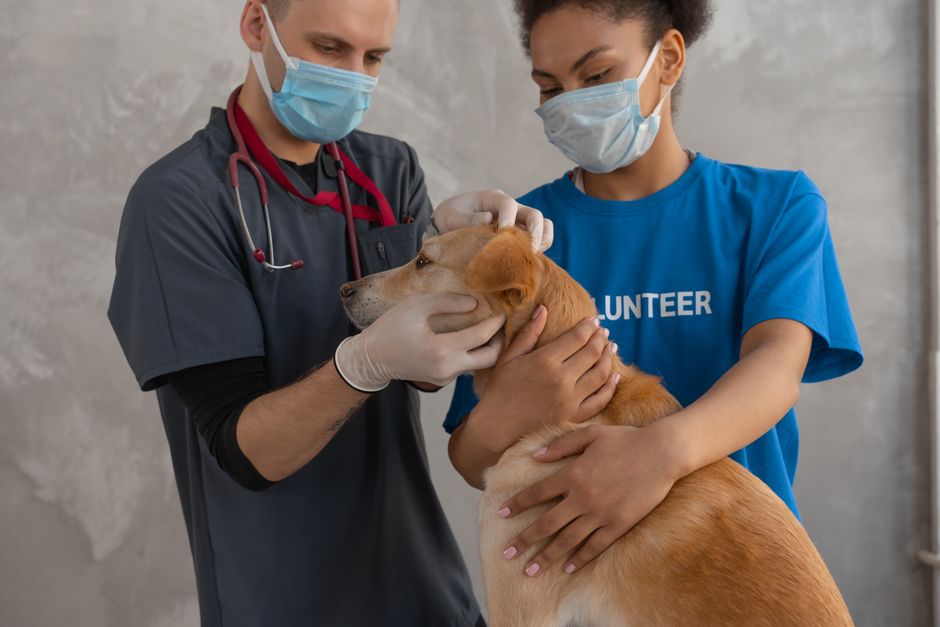
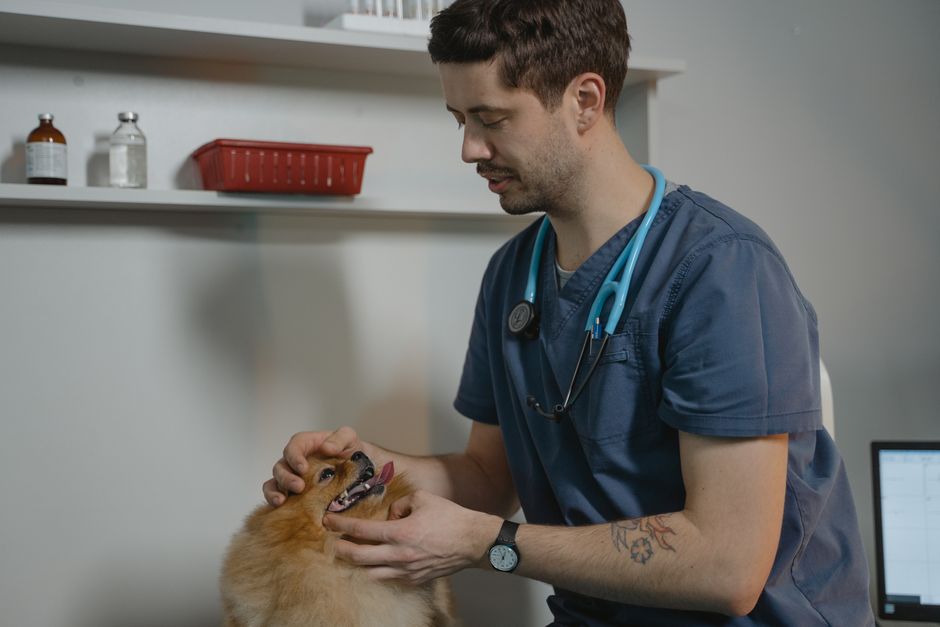
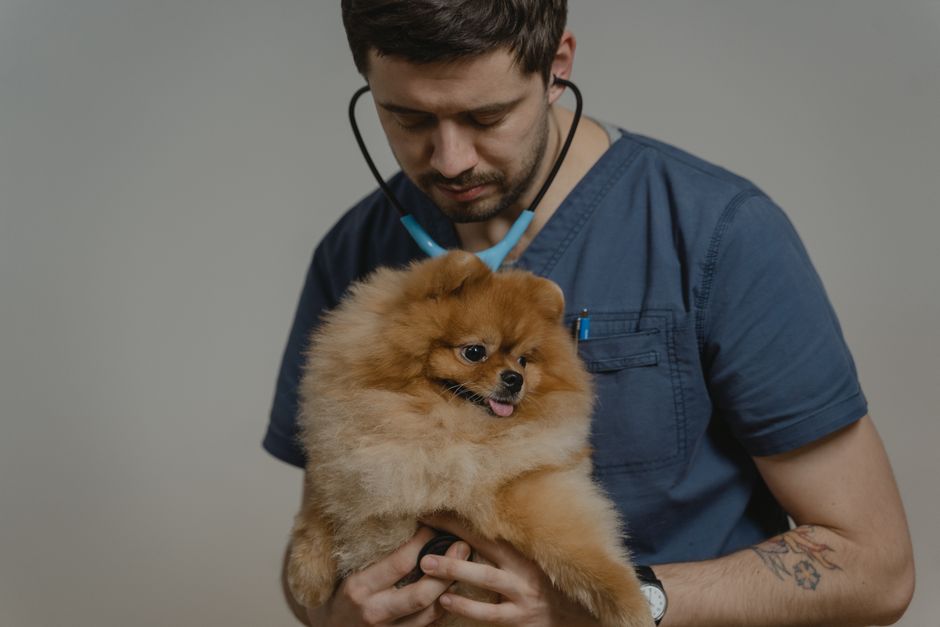
When you arrive at South Texas Veterinary Urgent Care with a pet experiencing vomiting or diarrhea, our veterinary team will start with a thorough exam and detailed history. Diagnostic testing may be recommended, which could include bloodwork to check organ function, fecal analysis to look for parasites, imaging studies like x-rays or ultrasound to identify blockages, or specific tests for infectious diseases. Treatment approaches depend on the underlying cause but often involve fluid therapy to correct dehydration, anti-nausea and anti-diarrheal medications, and sometimes antibiotics if a bacterial infection is present. If your pet has ingested something toxic or a foreign object, we may need to induce vomiting (if safe and indicated), perform endoscopy, or proceed to surgery for removal.
Supportive care is always tailored to your pet’s needs. This might involve hospitalization for close monitoring, intravenous fluids, or specialized diets. Our goal is to stabilize your pet quickly and relieve their discomfort. Throughout your visit, our veterinary professionals will communicate clearly about your pet’s condition, recommended treatments, and what you can expect for recovery.
You can also visit our emergency veterinary care page for more information on how we manage critical cases.
What You Can Do at Home Before Coming In
While urgent veterinary care is often necessary, there are a few steps you can take at home to help your pet stay safe and comfortable. If your pet vomits once or has a single episode of diarrhea but is otherwise acting normal, you can try withholding food for a few hours (not water), then offer small amounts of bland food like boiled chicken and rice. Ensure your pet has constant access to fresh water, and monitor for any changes. Avoid giving over-the-counter medications or home remedies, as these can be dangerous and may worsen the condition.
If the symptoms persist for more than a few hours, are severe, or you notice blood, lethargy, or any of the emergency signs described earlier, do not delay seeking urgent care. Attempting to treat severe vomiting or diarrhea at home can lead to rapid decline. For pets with underlying health conditions, very young or old animals, or those who are already dehydrated, it is safest to come in right away for professional evaluation.
When to Seek Veterinary Care Immediately
Knowing when to bring your pet to urgent care can save their life. Immediate veterinary care is needed if your pet is vomiting or having diarrhea repeatedly, is unable to keep down water, has blood in their vomit or stool, or is showing signs of severe distress such as collapse, extreme weakness, pale gums, abdominal swelling, or persistent retching. In cases where you know or suspect your pet has ingested a toxin, foreign object, or medication not prescribed for them, do not wait—bring your pet in for immediate evaluation.
South Texas Veterinary Urgent Care is open for walk-ins, with no appointment needed, including evenings and weekends when your regular veterinarian may not be available. Our urgent care services are designed to provide immediate, lifesaving care for pets in crisis. For a detailed overview of the conditions we treat and what to expect during your visit, please review our vomiting and diarrhea veterinary care page.
Preventing Vomiting and Diarrhea in Your Pet
Although some emergencies cannot be prevented, there are proactive steps you can take to reduce your pet’s risk. Keeping household toxins, human foods, and foreign objects out of reach can help prevent accidental ingestion. Feed your pet a consistent, high-quality diet and avoid abrupt changes in food. Ensure your pet’s vaccinations and parasite prevention are up to date, as this can protect against common infectious causes. Supervising outdoor playtime and discouraging scavenging behavior can also make a difference. For pets with known food sensitivities or allergies, work with your veterinarian to develop a safe, appropriate diet.
Regular wellness visits with your primary care veterinarian are important for overall health, but remember that South Texas Veterinary Urgent Care is here for you when urgent problems arise, especially outside of normal office hours.
Your Local Resource for Emergency Pet Care
Vomiting and diarrhea can be frightening for both pets and their families. In Corpus Christi and surrounding communities, you can trust South Texas Veterinary Urgent Care to provide rapid, expert support when these emergencies strike. Our walk-in policy ensures you never have to wait for an appointment, and our veterinary team is ready to handle urgent care needs any time your regular veterinarian is unavailable.
If you are searching for an "emergency vet near me," know that our clinic at 4133 Gollihar Road, Corpus Christi, TX 78411 is open to help your pet in their time of need. For more information on the services we provide or to check if your pet’s symptoms require urgent evaluation, visit our emergency veterinary care information or call us at (361) 833-6022.
Remember, with vomiting and diarrhea emergencies, prompt action is key. Our compassionate veterinary professionals are dedicated to getting your pet back to health as quickly and comfortably as possible. Walk-ins are always welcome, and we are proud to be Corpus Christi’s resource for urgent veterinary care.
This blog is intended for informational purposes only and does not replace professional veterinary advice. Always consult a veterinarian for personalized care recommendations. If your pet is experiencing an emergency, seek immediate veterinary attention.