When to See a Dog Allergy Vet for Urgent Symptoms

When to See a Dog Allergy Vet for Urgent Symptoms
If your dog is suddenly scratching nonstop, developing hives, or experiencing troubling swelling, it is natural to wonder if you need to rush to the vet or if you can wait things out. Allergic reactions in dogs can range from mild discomfort to life-threatening emergencies, and knowing when to act quickly can make all the difference for your pet's health and comfort. At South Texas Veterinary Urgent Care, located at 4133 Gollihar Road, Corpus Christi, TX 78411, our experienced veterinary team is here to provide timely, expert care for allergy symptoms that just cannot wait. Walk-ins are welcome, so you do not need an appointment if your dog's symptoms become worrisome outside of your regular veterinarian's hours. In this guide, we will help you understand when to seek a dog allergy vet, the signs of urgent or emergency allergies, and how our team can help dogs in Corpus Christi and surrounding communities feel better fast. If you are concerned about allergic reactions, our dedicated allergic reactions care page offers more detailed information on what we treat.
Recognizing Urgent Signs: Does Your Dog Need Immediate Allergy Care?
Allergic reactions in dogs can look very different depending on the cause and your dog’s individual sensitivity. Sometimes, symptoms are mild and develop slowly, but in other cases, urgent veterinary attention is needed to prevent severe complications. Understanding the difference between mild and potentially dangerous allergy signs can help you make the right decision for your dog’s health.
Key symptoms that may indicate an urgent need for a dog allergy vet include sudden facial swelling, especially around the eyes or muzzle, widespread hives or red, raised bumps on the skin, rapid or labored breathing, vomiting or diarrhea that develops quickly, intense itching that does not resolve, and collapse or difficulty standing. Other warning signs are pale gums, drooling, or signs of shock such as a weak pulse. Even if symptoms seem mild at first, they can escalate quickly; always err on the side of caution if your dog is having trouble breathing or if swelling is progressing.
Less urgent allergy signs, such as occasional scratching, mild redness, or minor ear issues, can often be managed at home or during a regular veterinary visit. However, when your dog’s symptoms become severe, rapid, or distressing, immediate veterinary intervention is necessary.
What Causes Dog Allergies and Why Do They Flare Up Suddenly?
Allergies in dogs are triggered by a variety of substances, from environmental allergens like pollen and grass to certain foods, insect bites, medications, and household chemicals. In South Texas, seasonal allergens such as oak pollen, ragweed, and molds are common triggers, especially in the warmer months. Dogs may also react to flea bites, which can cause intense discomfort and skin irritation.
Acute allergic reactions, also known as hypersensitivity or anaphylaxis, can occur when a dog is exposed to a new allergen or when their immune system becomes overly sensitive to a substance they have encountered before. For example, a bee sting or vaccine reaction can produce severe, rapid-onset symptoms, while food or environmental allergies may lead to chronic itching, ear infections, or skin problems over time.
The degree of allergic reaction often depends on your dog’s individual immune response. Some dogs may show only mild irritation, while others may develop life-threatening swelling or respiratory distress even after a small exposure. This is why it is critical to monitor your dog closely if you know they have a history of allergies.
How a Dog Allergy Vet Can Help: Treatment for Urgent Symptoms
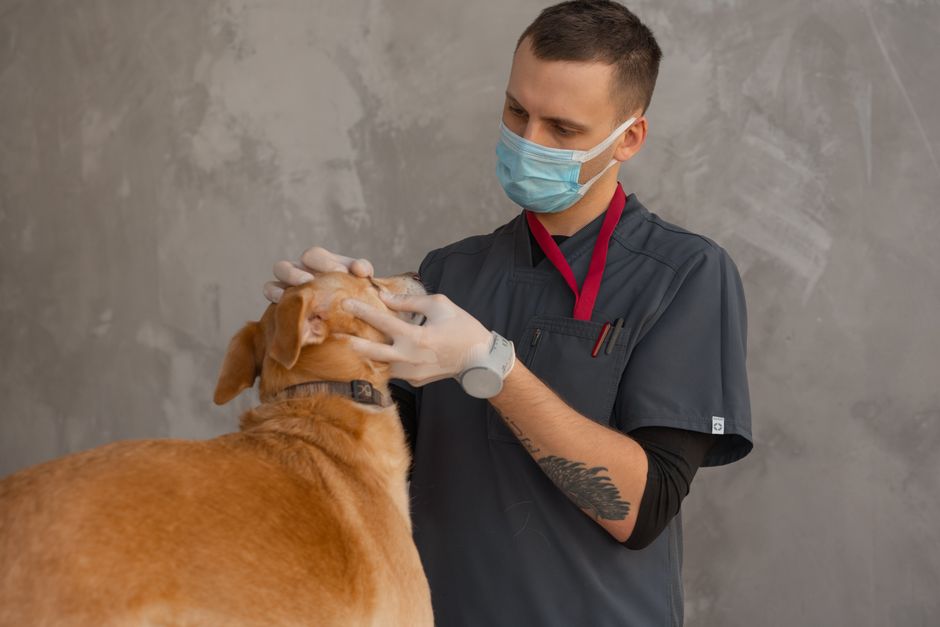
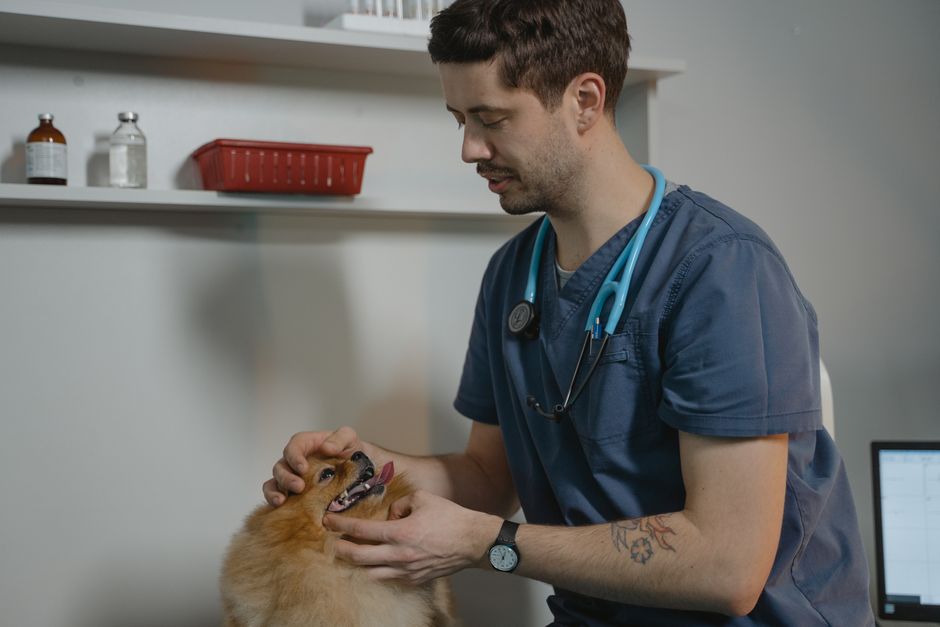
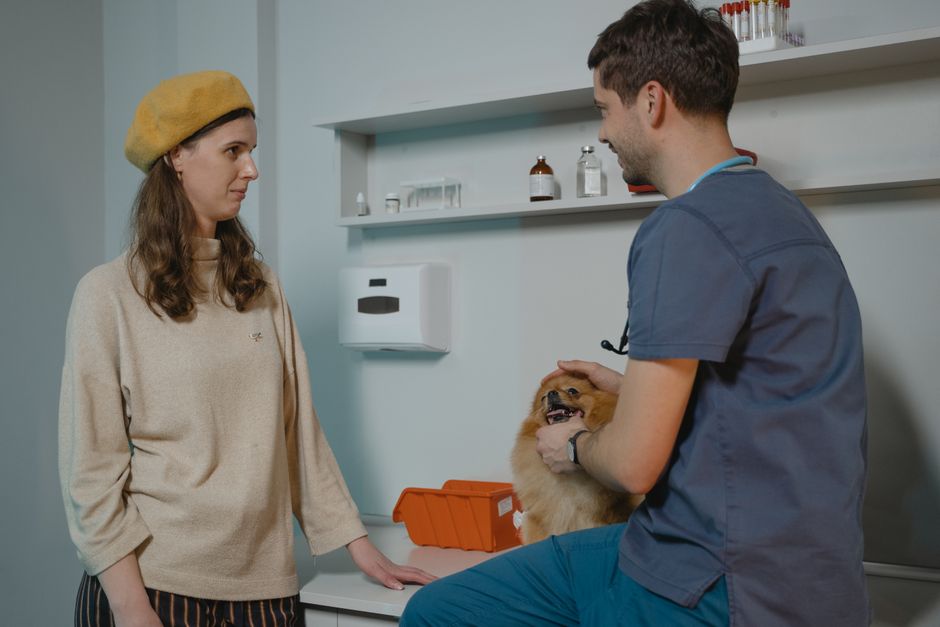
When you bring your dog to an urgent care clinic like South Texas Veterinary Urgent Care for an allergy emergency, our veterinary professionals are trained to act quickly. Upon arrival, your dog will be thoroughly examined, and the team will assess the severity of the reaction. For cases involving facial swelling, hives, or breathing difficulty, immediate treatment may include injectable antihistamines, corticosteroids, or, in severe cases, epinephrine to counteract anaphylactic shock.
Additional supportive care may involve oxygen therapy, intravenous fluids to stabilize blood pressure, and monitoring of vital signs. Dogs experiencing vomiting or diarrhea might need anti-nausea medication and fluid replacement to prevent dehydration. In every situation, our goal is to relieve your dog’s discomfort and stop the allergic reaction as quickly as possible.
For dogs with ongoing or recurring allergy symptoms, a consultation with a veterinary dermatology service may be recommended to identify underlying triggers and develop a long-term management plan. Diagnostic testing such as skin scrapings, blood tests, or elimination diets can help pinpoint the culprit, whether it is food, fleas, or environmental allergens. If you are interested in learning more about urgent care options for allergies and other conditions, our urgent veterinary care page provides detailed information on our approach and services.
Home Care and Prevention: What Can Pet Owners Do?
While immediate veterinary care is crucial for severe allergy reactions, there are several steps pet owners can take at home to help prevent and manage mild symptoms. Bathing your dog with a gentle, hypoallergenic shampoo can help remove pollen and irritants from the coat, especially after outdoor walks during peak allergy seasons. Keeping your home environment clean by vacuuming regularly and washing bedding can also reduce exposure to dust mites and mold.
For dogs with known food allergies, carefully monitoring ingredients and introducing new foods gradually can prevent flare-ups. Flea prevention is especially important in South Texas, where year-round flea activity is common; use veterinarian-recommended flea control products consistently.
When managing mild symptoms, you might notice your dog scratching more than usual or developing red, irritated skin. Over-the-counter antihistamines are sometimes used under veterinary guidance, but always consult your veterinarian before giving any medication to ensure safety and proper dosing. If your dog’s condition does not improve or if symptoms worsen, it is time to seek urgent veterinary attention.
When to Seek a Dog Allergy Vet: Urgent vs. Emergency Care
It can be difficult to know when to take your dog to an urgent care clinic for allergy symptoms, especially outside regular business hours. As a general rule, any sudden onset of facial swelling, difficulty breathing, vomiting, or collapse requires immediate veterinary attention. These symptoms can indicate a severe allergic reaction called anaphylaxis, which can be life-threatening without prompt treatment.
Other situations that warrant a visit to South Texas Veterinary Urgent Care include persistent itching that results in raw or bleeding skin, ear infections that do not resolve, or sudden behavioral changes such as restlessness or agitation. Our clinic is open for extended hours, including evenings and Saturdays, making it easier for pet owners to get timely help when their regular veterinarian is unavailable. Walk-ins are always welcome, and no appointment is needed for urgent allergy concerns.
If you are unsure whether your dog’s symptoms require urgent care, it is always safer to err on the side of caution. Call our veterinary team at (361) 833-6022 or bring your dog directly to our clinic for an assessment. Early intervention can prevent complications and provide much-needed relief for your dog.
Supporting Your Dog’s Health Year-Round in Corpus Christi
Living in Corpus Christi and its surrounding communities means your dog may be exposed to unique environmental allergens and year-round flea activity. Our team understands the specific challenges local pet owners face, from seasonal pollen surges to sudden weather changes that can trigger allergy flares. We are committed to providing compassionate, efficient care for every dog that walks through our doors.
If you notice your dog suddenly scratching, developing swelling, or showing signs of distress, do not wait—visit South Texas Veterinary Urgent Care for immediate help. Our emergency veterinary care and urgent care services are designed to bridge the gap when your regular vet is closed or unavailable. When searching for an emergency vet near me, remember that our clinic welcomes walk-ins and provides comprehensive allergy treatment for dogs across Corpus Christi.
Your dog’s comfort and safety are always our top priorities. If you suspect an allergic reaction or need to see a dog allergy vet quickly, come see us at 4133 Gollihar Road, Corpus Christi, TX 78411, or call (361) 833-6022 for guidance. Our veterinary professionals are here to help your pet get relief—no appointment necessary. For more information on allergic reactions, dermatology, or urgent care, explore our resources on allergic reactions care, veterinary dermatology, or urgent veterinary care today.
If your dog is experiencing severe symptoms, always seek immediate veterinary attention. Information provided here is for educational purposes and does not replace professional veterinary care.