Understanding Incision and Drainage for Pet Abscesses


Understanding Incision and Drainage for Pet Abscesses
When your pet develops a painful lump or swelling, it can be alarming, especially if it appears suddenly or seems to worsen by the hour. Abscesses are a common cause of these symptoms, often signaling an underlying infection that needs prompt attention. As pet owners in Corpus Christi and the surrounding communities know, our subtropical climate and active outdoor lifestyles can make pets more prone to bites, scratches, and minor wounds that may develop into abscesses. At South Texas Veterinary Urgent Care, we specialize in urgent and emergency care for pets, offering timely treatments like incision and drainage in a safe, compassionate environment. Our clinic at 4133 Gollihar Road, Corpus Christi, TX 78411 welcomes walk-ins with no appointment needed, ensuring your pet receives immediate care when it matters most. In this guide, you’ll learn how to recognize abscesses, why they form, what incision and drainage involves, and how our veterinary team supports your pet’s recovery every step of the way. We’ll also share aftercare tips and explain when to seek help from our urgent care team, so you can act quickly and confidently if your pet is in pain. For more information about our specialized abscess care, visit our veterinary treatment and management of abscesses page.
Recognizing Abscesses in Pets: Signs Your Pet Needs Help
Abscesses can develop quickly in both cats and dogs, and early recognition is key to a swift recovery. The most common symptoms include sudden swelling beneath the skin, which may feel warm or tender to the touch. Often, pet owners first notice that their pet is licking, chewing, or scratching at a particular spot. Additional warning signs include redness, pain when touched, or a visible wound that oozes pus or blood. Some pets become lethargic, lose their appetite, or develop a fever as the infection spreads. In certain cases, especially with abscesses that occur in the mouth or near the jaw, you may notice drooling, bad breath, or difficulty eating. If you notice any of these symptoms or see a lump that seems to be growing, it is essential to seek veterinary care promptly. Delaying treatment can allow the infection to worsen, potentially leading to more serious health complications.
What Causes Abscesses in Pets?
Abscesses develop when bacteria enter the body through a break in the skin or mucous membranes. In Corpus Christi, where pets often enjoy outdoor activities, common causes include bites from other animals, scratches, punctures from sticks or thorns, and even dental infections. Cats are particularly prone to abscesses from bite wounds, especially if they roam outdoors or interact with unfamiliar animals. Dogs can develop abscesses after rough play, encountering wildlife, or stepping on sharp objects during walks. Once bacteria invade, the body’s immune system responds by sending white blood cells to the area, creating pus as they fight the infection. This pus accumulates within a pocket beneath the skin, resulting in a swollen, painful abscess. If the abscess is not drained, pressure can build up, causing the area to rupture or the infection to spread deeper into the tissue. The warm, humid conditions typical of South Texas can further encourage bacterial growth, making timely care even more important for local pets.
Incision and Drainage: How Our Urgent Care Team Treats Abscesses
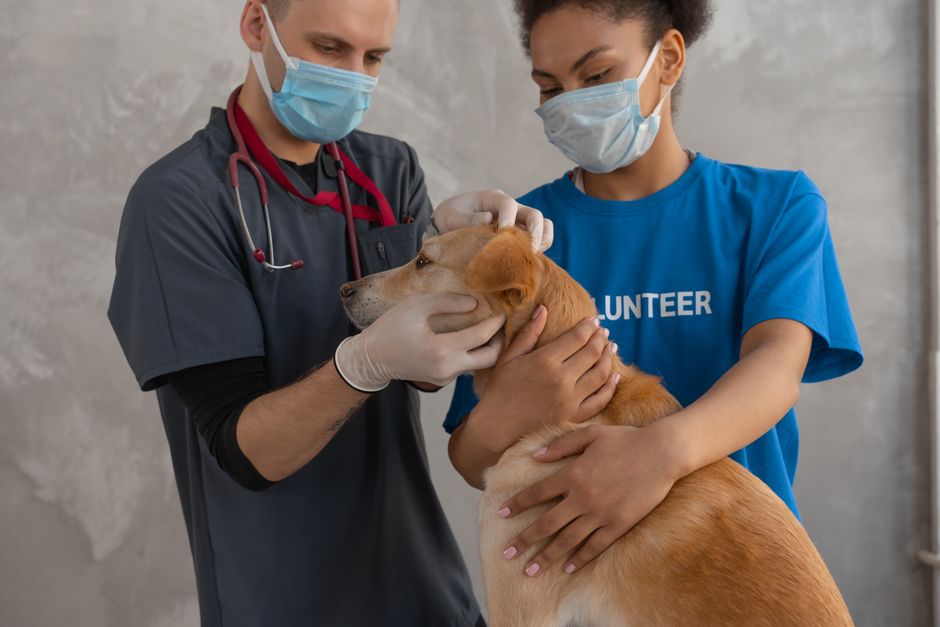
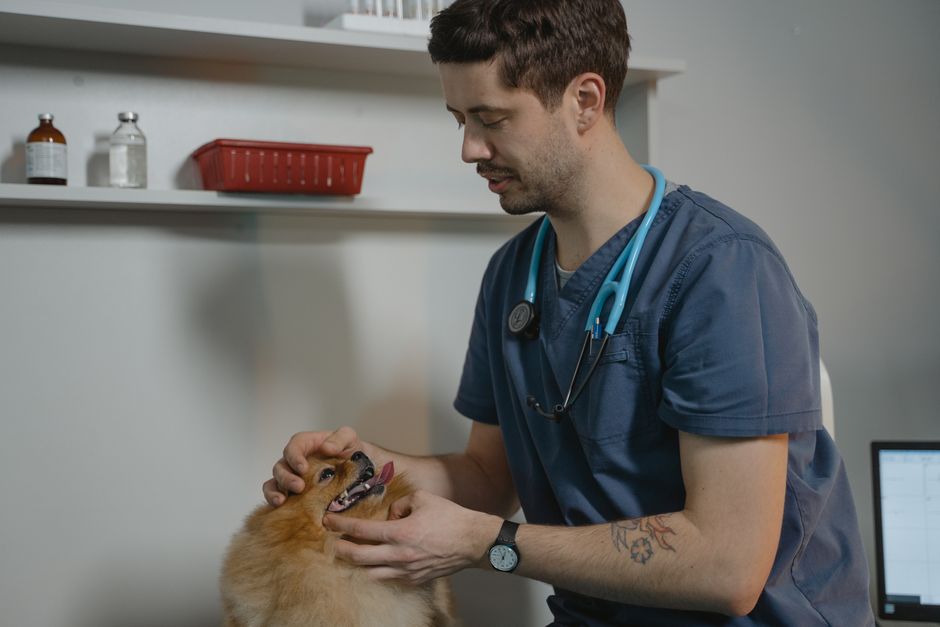
When a pet presents with an abscess, the most effective treatment is often an incision and drainage procedure performed by veterinary professionals. At South Texas Veterinary Urgent Care, our team begins by carefully examining your pet and, when necessary, using diagnostic tools such as digital radiology or ultrasound to assess the extent of the infection. Sedation or local anesthesia may be recommended to keep your pet comfortable and still during the procedure.
The process of incision and drainage involves making a small, sterile cut into the abscess to release the accumulated pus. This not only relieves painful pressure but also allows our veterinarians to thoroughly flush the area, removing bacteria and debris. In some cases, especially with larger or deeper abscesses, a temporary drain may be placed to prevent fluid from building up again. After the wound is cleaned, our team will discuss whether your pet needs antibiotics, pain relief, or additional follow-up care. You can read more about how we manage abscesses by visiting our page dedicated to veterinary treatment and management of abscesses.
For infections that have spread or if there are complications involving deeper tissues or internal organs, our urgent care clinic is fully equipped to perform more advanced procedures. Our internal surgical procedures for pets may be recommended in rare cases where abscesses are located inside the body or do not respond to routine treatment. Throughout every step, our veterinary team prioritizes your pet’s comfort and safety, providing clear communication and compassionate support.
At-Home Care and Prevention Tips After Incision and Drainage
After your pet receives treatment for an abscess, proper home care can support healing and prevent recurrence. Your veterinarian will provide specific instructions, but general recommendations include keeping the wound clean and dry, monitoring for signs of redness, swelling, or discharge, and administering all prescribed medications as directed. It is important to prevent your pet from licking or scratching at the healing site, often by using an Elizabethan collar or similar device. Check the area daily for any changes, such as increased swelling or unusual odor, and contact your veterinary team if you notice anything concerning.
Prevention focuses on minimizing your pet’s risk of injury and infection. Supervise interactions with unfamiliar animals, keep cats indoors when possible, and inspect your pet’s skin regularly for scratches, bites, or punctures. If you notice any wounds, even small ones, clean them gently and watch for signs of infection. Prompt veterinary care for minor injuries can often prevent abscess formation. Maintaining your pet’s overall health through regular wellness exams and vaccinations also supports a stronger immune system, making it easier for your pet to fight off infections before they become severe.
When to Seek Emergency Veterinary Care for Abscesses
While some small wounds might seem minor, abscesses can escalate quickly and lead to serious health issues if left untreated. Seek immediate veterinary care if your pet develops a rapidly enlarging lump, shows signs of severe pain, becomes lethargic, refuses to eat, or has a fever. Additional red flags include wounds that are oozing pus or blood, unpleasant odors, or evidence of tissue breakdown. In some cases, abscesses can spread bacteria into the bloodstream, causing a life-threatening condition known as sepsis. Pets with underlying health conditions or those who are very young or elderly may be at increased risk for complications.
At South Texas Veterinary Urgent Care, we understand that emergencies rarely happen on a convenient schedule. That is why our emergency veterinary care services are available when your regular veterinarian may not be, including evenings, weekends, and holidays. Walk-ins are always welcome at our Corpus Christi location, and our team is ready to provide immediate care for abscesses and other urgent medical issues.
Why Timely Incision and Drainage Matters for Your Pet’s Recovery
Prompt incision and drainage can make a dramatic difference in your pet’s comfort and recovery time, minimizing the risk of complications and preventing the infection from spreading. Our urgent care model ensures that you do not have to wait for an appointment to get your pet the help they need. Quick intervention not only relieves pain but also reduces the likelihood of needing more invasive treatments in the future.
Our veterinary professionals are committed to providing thorough, up-to-date care using the latest diagnostic and surgical techniques. We understand how stressful it can be when your pet is hurting, and we are here to guide you through every step of the process with empathy and clear communication. For additional insight into our approach and what to expect during your visit, you can review our urgent veterinary care services.
Take Action: Immediate Abscess Care at South Texas Veterinary Urgent Care
If you suspect your pet has an abscess or is showing signs of infection, do not delay—timely incision and drainage can be the key to a swift, safe recovery. Our veterinary team at South Texas Veterinary Urgent Care welcomes walk-ins with no appointment needed, ensuring your pet receives the urgent attention they deserve. We are open when your regular veterinarian is not, so you can count on us for dependable care whenever emergencies arise. Visit us at 4133 Gollihar Road, Corpus Christi, TX 78411 or call (361) 833-6022 for immediate assistance.
When searching for an emergency vet near me, remember that our experienced team is ready to help with incision and drainage and all other urgent pet health needs in Corpus Christi and the surrounding areas. Your pet’s comfort and safety are always our top priorities—let us be your trusted partner in times of need.
This article is intended for informational purposes only and does not replace professional veterinary care. If you have concerns about your pet’s health, please consult our veterinary team or seek immediate medical attention as needed. For more information about abscess care and related services, visit our veterinary treatment and management of abscesses page.